Korte BeeworX


Central Pennsylvania offers 4 main "flows", which are the times when flowers are producing enough nectar that bees can make the excess honey that we take from them. I collect near the end of each flow and keep the honies separate for your tasting pleasure.
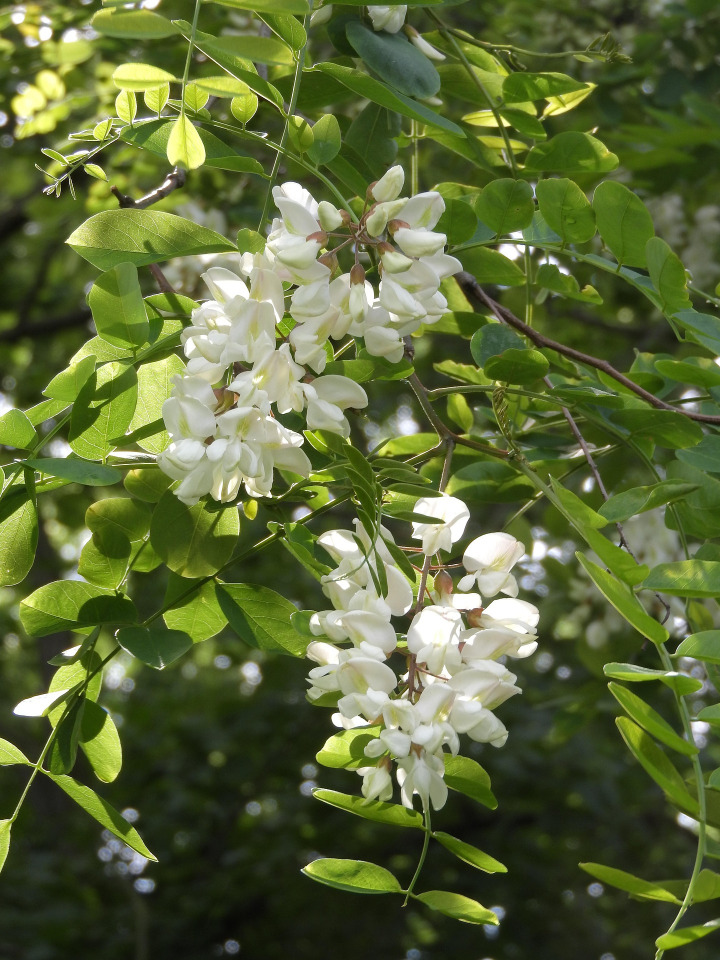
In May, the Black Locust tree (a species native to the Northeast) produces beautiful strings of flowers that produce nectar that honey bees use to make fanastic honey.
Throughout June, there are many varieties of flowers blooming, and since we do not have mono-culture farming in the area we end up with "wildflower."
In July, multiple varieties of Clover bloom, producing honey that is a little darker.
Finally, in September, Goldenrod and Asters bloom, producing honey that is generally very dark and robust.
The labels on my jars are marked with the most prominent variety of honey in the jar (see the example above). You'll also see a 4-digit number, which is a code that indicates from where and when the honey was collected. If you find a jar of honey that you are particularly fond of, look for that number when getting more. You can also contact me to see if I have any more or what the closest thing to your favorite is!